Maintaining a warm home in winter is essential not just for comfort but also for health, energy efficiency, and the preservation of your property. It’s an investment in both physical and mental well-being that pays off in numerous ways.

Window blinds can indeed play a significant role in helping to keep your home warm during winter by providing insulation and reducing heat loss, while also potentially reducing your energy bills.

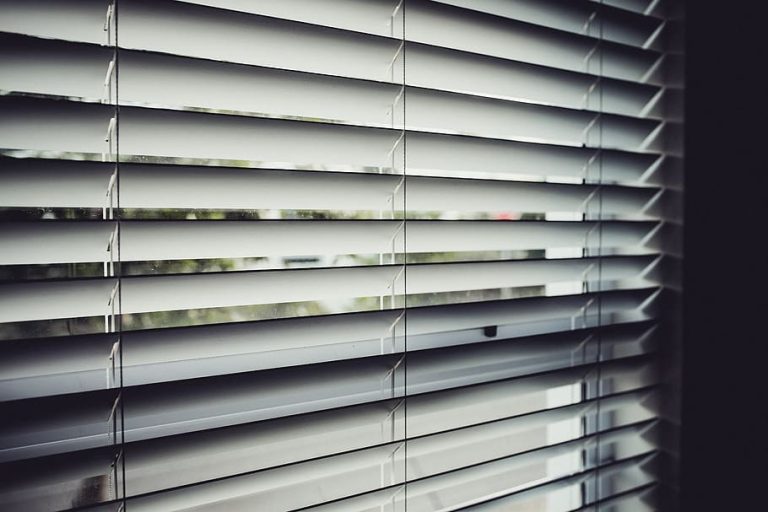
The image shows a close-up of horizontal window blinds, partially open, allowing some light to filter through.

Roller shades

Roller shades are available in various materials, including light-filtering and blackout options. While they provide some degree of insulation by creating a layer between the window and the room, their effectiveness in reducing heat loss can vary depending on the material thickness.
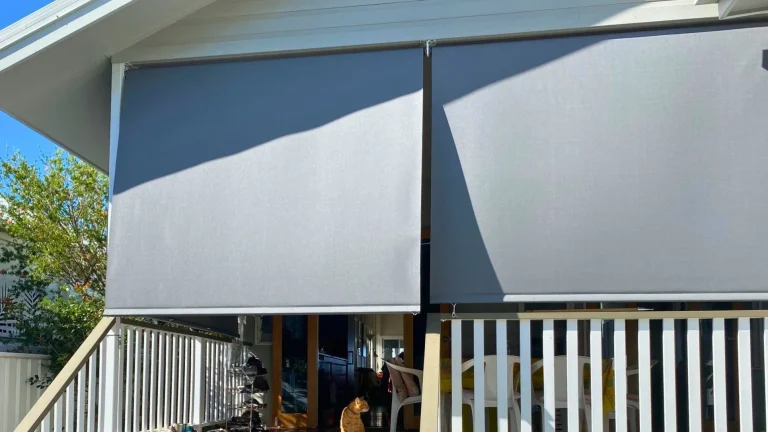
Vertical Blinds

Insulation Properties: Vertical blinds are typically made from fabric or PVC materials. While they provide some insulation by covering the window and reducing drafts, their effectiveness in thermal insulation can vary depending on the material and design.

The image shows a close-up of a white, horizontal, slatted surface, likely a window blind or shutter.

Thermal or Insulated Blinds

Insulation Properties: Some blinds are specifically designed with thermal or insulated properties, featuring multiple layers of fabric or materials that enhance their ability to reduce heat loss. These blinds often have a higher R-value and are effective at maintaining indoor warmth during winter.

Tips for Warming Up Your Windows

1. Insulation Techniques

    • Material: Foam, felt, vinyl, or rubber strips.
    • Application: Apply around the edges of windows to seal gaps and prevent drafts.
    • Benefits: Inexpensive and easy to install, it effectively reduces air leaks.

2. Window Treatments

      • Choosing the right materials
      • Cellular shades: Benefits and installation tips

3. Secondary Glazing

    • Material: Acrylic or polycarbonate panels.
    • Application: Install an additional pane of glazing on the interior side of existing windows.
    • Benefits: Enhances insulation without replacing the entire window, can be a DIY project or professionally done.

When choosing blinds to help warm your home during winter, consider the material, thickness, and design of the blinds to maximize their insulation properties. Cellular shades and thermal or insulated blinds are generally the most effective choices for enhancing energy efficiency and comfort by reducing heat loss through windows.